
| Conference Keynote Speakers |
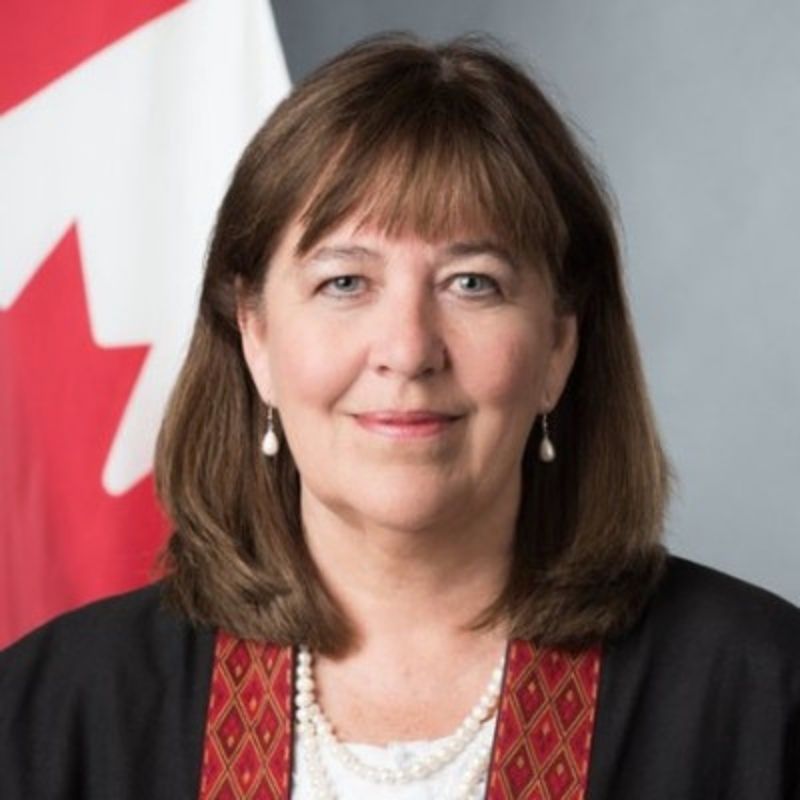
Rosemary McCarney Senior Fellow in Foreign and Defence Policy, Massey College, University of Toronto Rosemary is the 2020-2021 Senior Fellow in Foreign and Defence Policy at Massey College. Rosemary was appointed the inaugural 2020 Pearson Sabia Distinguished Visiting Professor in International Relations at Trinity College, University of Toronto where she teaches Multilateral Diplomacy -Global Governance.
Rosemary McCarney served as Ambassador and Permanent Representative of Canada to the Office of the United Nations and to the United Nations Conference on Disarmament based in Geneva, Switzerland. Rosemary is also an award-winning humanitarian and business leader, a recognized public speaker and author and an expert on international economic development. An experienced senior executive and academic, she has developed strong business management and organizational leadership skills over 30+ years of global executive, legal and academic experience.
Immediately prior to her Ambassadorial appointment, Rosemary successfully led Plan International Canada, one of the oldest and largest charities in Canada and a member of the global Plan Federation, serving as President and Chief Executive Officer. With many years of Executive experience, Rosemary has provided leadership and governance to a wide range of global organizations across the private, public and not for profit sectors. Rosemary has actively led executive management teams with a clear and pragmatic approach to driving business results, creating stakeholder value and achieving sustainable growth and impact.
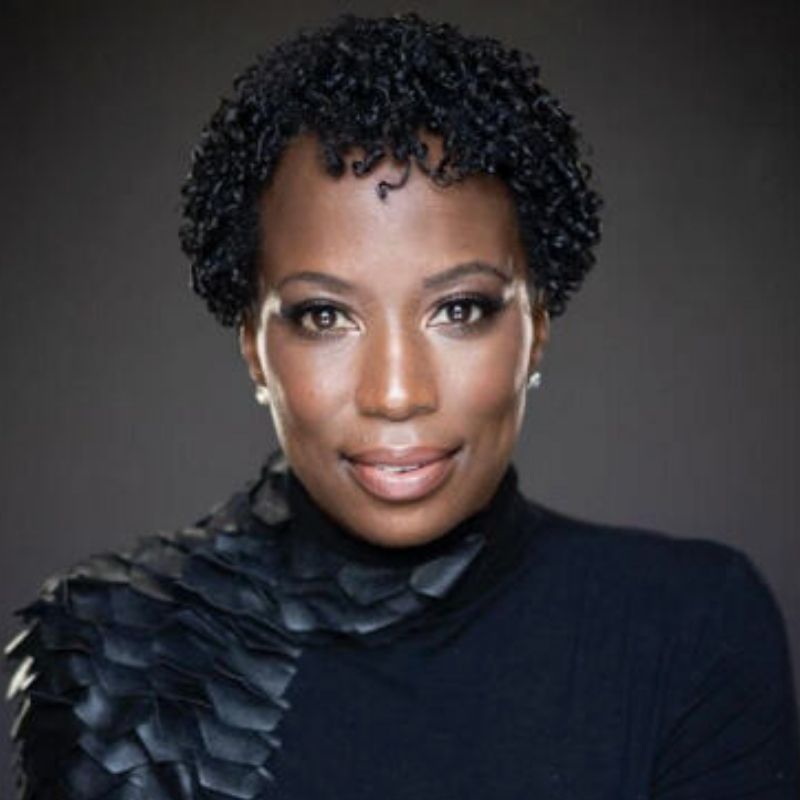
Celina Ceasar-Chavannes Author, Speaker, and Former Member of Parliament
Celina Caesar-Chavannes (she/her) is a globally respected leader and humanitarian who, for over 25 years, has been dedicated to helping individuals awaken their innate potential and live in alignment with their unique gifts.
Widely regarded as one of the foremost experts in leadership, neuroscience ad personal transformation, Celina has worked with leading organizations such as TD Bank, Canadian Tire, Aga Khan Foundation, and McDonalds’s Canada. She is renowned for her ability to captivate audiences with her dynamic presentations, blending cutting edge research with heartfelt authenticity. Her insights inspire individuals to achieve their highest potential, empower teams to thrive, and guide organizations toward sustainable, transformative change.
A national bestselling author and celebrated international speaker, Celina’s work in cognitive consistency and inclusive leadership continues to shape the global conversation on equity, humanity, and meaningful impact.
| Breakout Session 1: Trade & Development: What It Means for Development Actors Today |
Trade is increasingly positioned as a priority in Canada’s international development agenda. This session looks at what that shift means in practice; how trade and development priorities intersect across policy, programming, and implementation, and how this is shaping the work of development organizations.
Through concrete examples, panelists will explore how organizations are integrating trade into their work: supporting policy and regulatory reforms that enable market access, facilitating government-to-government and commercial collaboration, and helping businesses participate more effectively in trade opportunities.
The discussion will examine what “mutual prosperity” looks like in operational terms: how Canadian and partner‑country interests align, how sustainability standards and inclusion principles are applied in trade‑related initiatives, and what practical models are emerging across sectors. It will also highlight what is working, what remains challenging, and what development actors need to consider as trade becomes a more prominent part of the development landscape.
Moderator:

John Karalis Project Director, Cowater International
John Karalis is a Project Director at Cowater International with extensive experience managing global trade facilitation programs. He has supported countries including Ethiopia, Somalia, Uzbekistan, and Madagascar through WTO accession, technical assistance, and system implementation, including the ePhyto system. In his leadership roles, including Programme Director on TAF2+ and Mandate Design Lead for the Canadian Trade and Investment Facility for Trade and Development (CTIF), he has overseen initiatives supporting WTO partners and designed programs to strengthen MSMEs across sub-Saharan Africa and the Asia Pacific. He is known for working closely with trade officials to build capacity and support more resilient and inclusive global trading systems.
Panalists:
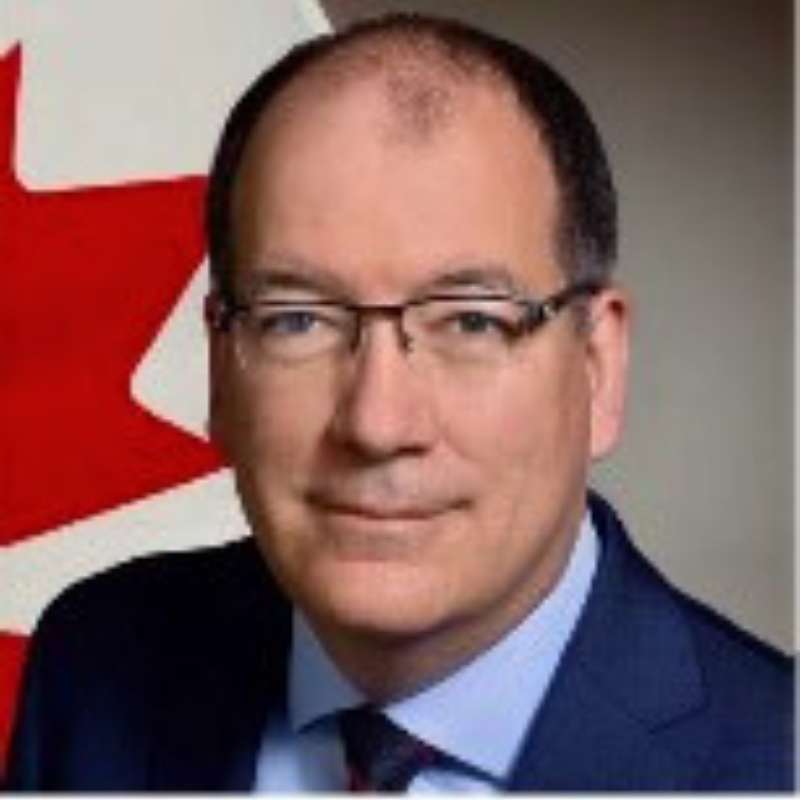
Alan Bowman Director General, Global Affairs Canada, Southeast Asia and Oceania Bureau
Alan Bowman is Director General of Global Affairs Canada’s Southeast Asia and Oceania Bureau and serves as Canada’s Senior Official for APEC. He has held senior diplomatic roles abroad, including Ambassador to Croatia and Kosovo, and Deputy Head of Mission at Canada’s Mission to the European Union. His international postings also include the United Nations in New York and the Canadian Embassy in Bangkok. At headquarters, he has led key policy divisions focused on Asia-Pacific and international economic relations. He has also served as Chair of the APEC Committee on Trade and Investment and worked at the Privy Council Office.
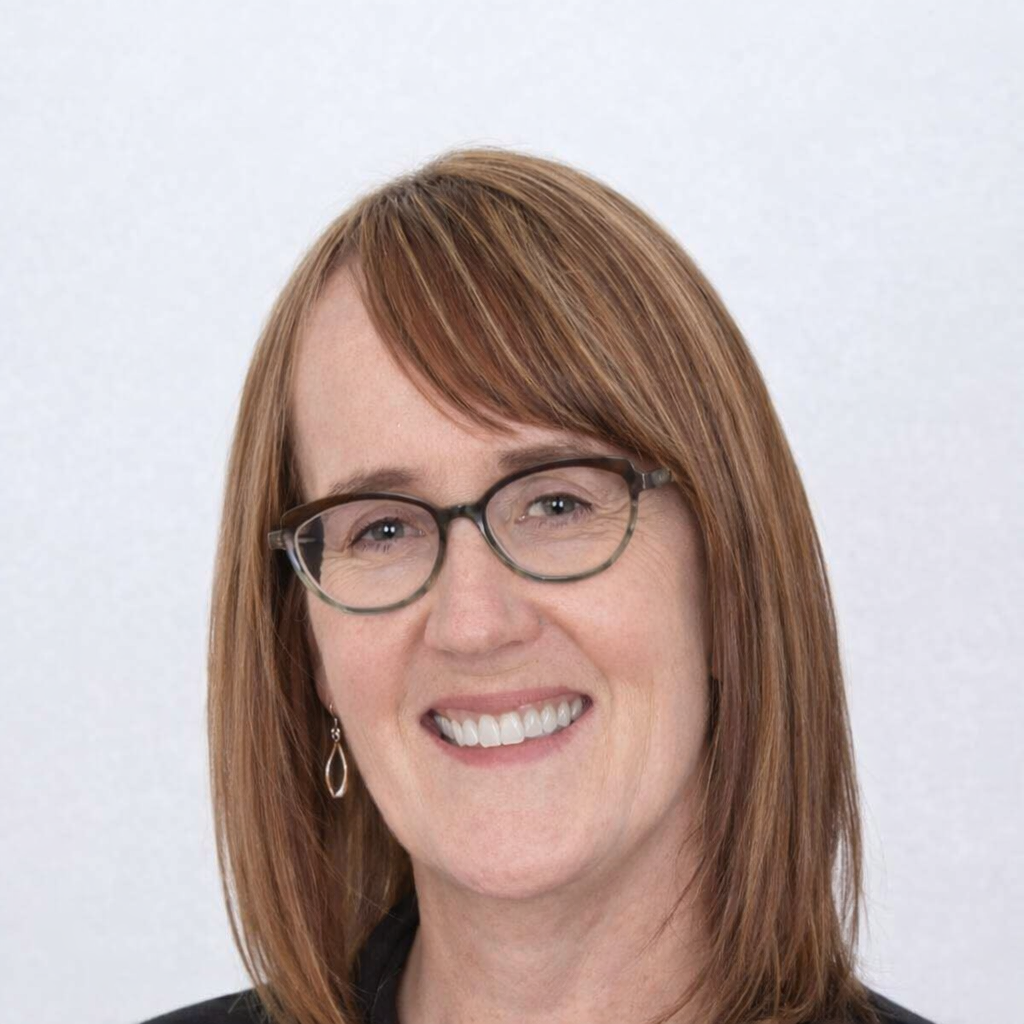
Patricia Fuller President and CEO, International Institute for Sustainable Development (IISD)
Patricia Fuller is President of IISD, with more than 30 years of experience in public policy and diplomacy focused on climate change, energy, and trade. She has served as Canada’s Ambassador for Climate Change, as well as Ambassador to Chile and Uruguay, and has played a key role in advancing international climate action and finance initiatives. Her previous leadership roles include heading the Office of Energy Efficiency at Natural Resources Canada and serving as Director General and Chief Economist at Global Affairs Canada. She is also a Senior Fellow at the University of Ottawa and holds a master’s degree from the London School of Economics.
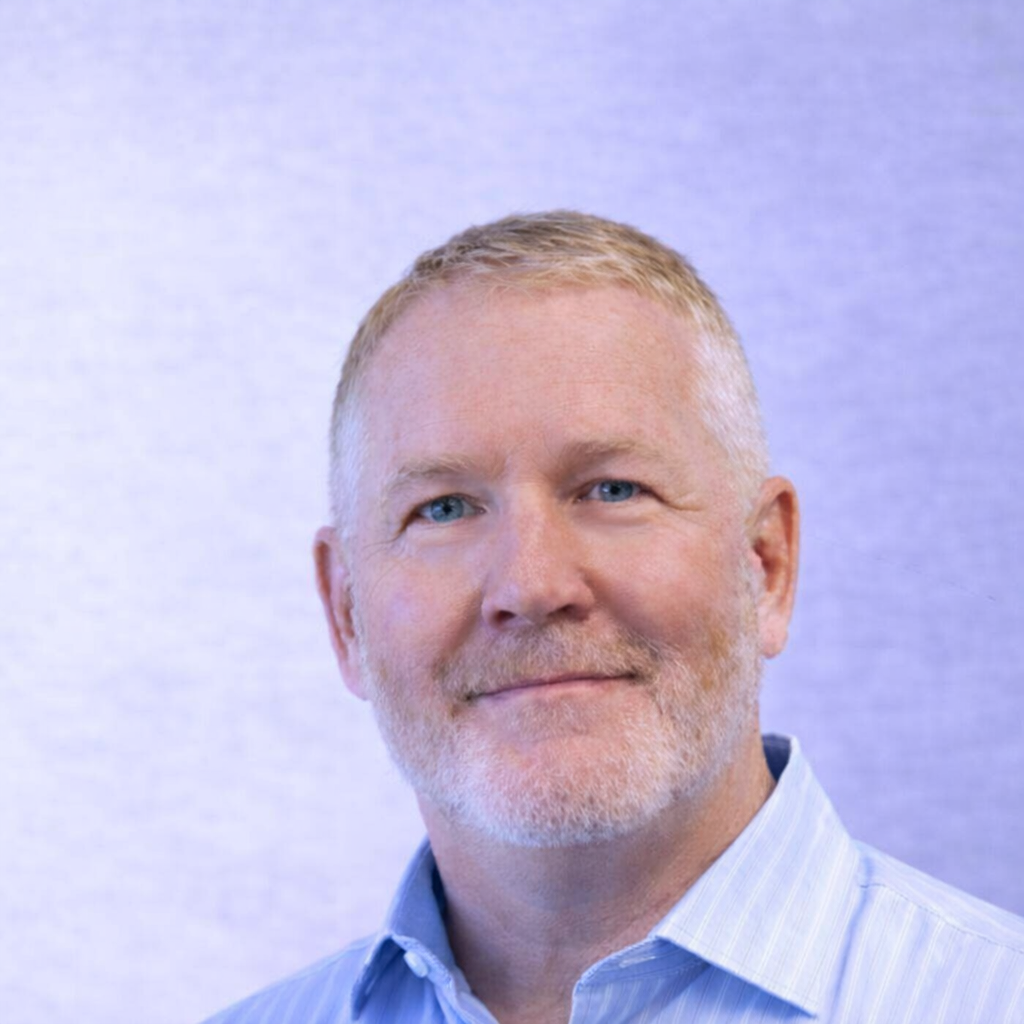
Wilson Pearce Senior Director: International Trade Strategy and Operations, Canadian Commercial Corporation
Wilson Pearce is Principal of PGTS Inc., with more than 25 years of senior leadership experience across the commercial and development sectors in EMEA, Asia Pacific, the Caribbean, and Latin America. He brings deep expertise at the intersection of trade and development, designing and delivering sustainable solutions in emerging and frontier markets. He most recently served as Senior Director, Trade Strategy & Operations at the Canadian Commercial Corporation, where he led market strategies supporting Canadian firms in ASEAN and the Caribbean, with a focus on clean energy solutions. His previous roles include senior leadership positions at Sogema Technologies, Cowater International, ING Robotics, and Postea Technologies.
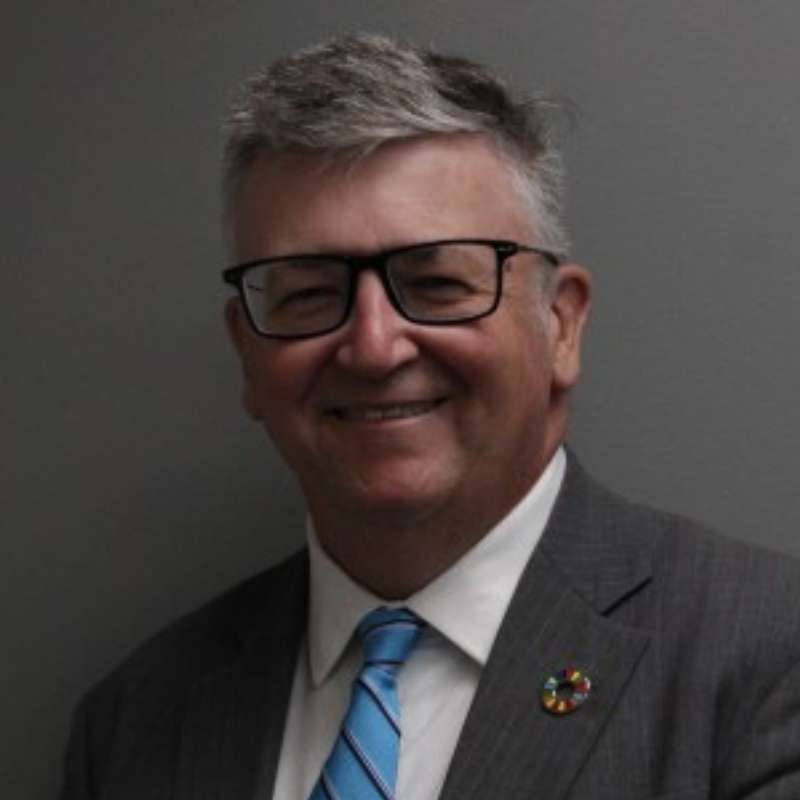
Steve Tipman Executive Director, TFO Canada
Steve Tipman leads TFO Canada in advancing its mission to catalyze economic growth through international trade. He oversees the organization’s strategic direction, operations, and reporting to the Board of Directors. With over 24 years of senior management experience across the private and non-profit sectors, he has built a career focused on international trade and development. He holds an International MBA from the University of Ottawa and is fluently bilingual in English and French.
| Breakout Session 2: Securing peace, operating in conflict-affected areas and addressing humanitarian needs |
Rising geopolitical fragmentation and shifting Canadian priorities are forcing a radical rethinking of engagement in fragile and conflict-affected settings. As traditional stability efforts falter, Canadian organizations must overhaul their strategies and operations to deliver humanitarian relief and long-term aid effectively.
This panel confronts the realities of navigating volatile environments, analyzing how organizations adapt amid heightening global tensions and diverse crises. It evaluates the Triple Nexus – integrating humanitarian, development, and peacebuilding efforts – to highlight where current models succeed and where systemic risks necessitate new approaches. Participants will explore how Canadian assistance can be restructured to build resilience and meaningful impact within today’s unpredictable geopolitical landscape.
Moderator:
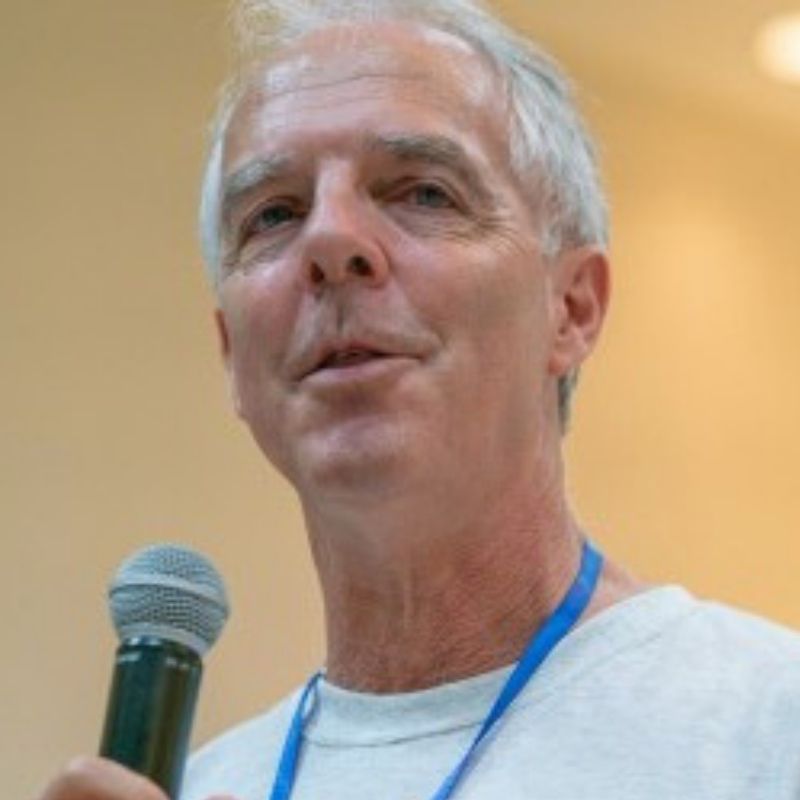
Alan Quinn Director, International Programs and Partnerships, Humanity & Inclusion Canada
Alan Quinn is Director of International Programs and Partnerships at Humanity & Inclusion Canada. A trilingual international development specialist with 30+ years’ experience, he designs and leads humanitarian and sustainable development projects in fragile states. He has extensive experience in Central America, managing crime prevention initiatives in high-risk, gang-controlled areas. Quinn works closely with teams in Palestine and Haiti and oversees humanitarian operations in the Gaza Strip and Port-au-Prince, adapting programs to deliver aid amid deepening crises and restricted access.
Panalists:
Nilofar Kayhan, Lead Technical Advisor, Humanitarian and Resilience Programming, CARE Canada
Nilofar Kayhan is the Humanitarian and Resilience Advisor with CARE Canada, serving as a technical lead for nexus programming and advocacy. She holds an MA in international development from the University of Kent and a joint BA in political science from the University of Toronto and Sciences Po Paris. With over 10 years of experience, Kayhan has worked with the International Crisis Group in Brussels, The Border Consortium on the Thai-Myanmar border, and SIHA in the Horn of Africa. Her expertise spans conflict-sensitive programming, protection, and gender equality.
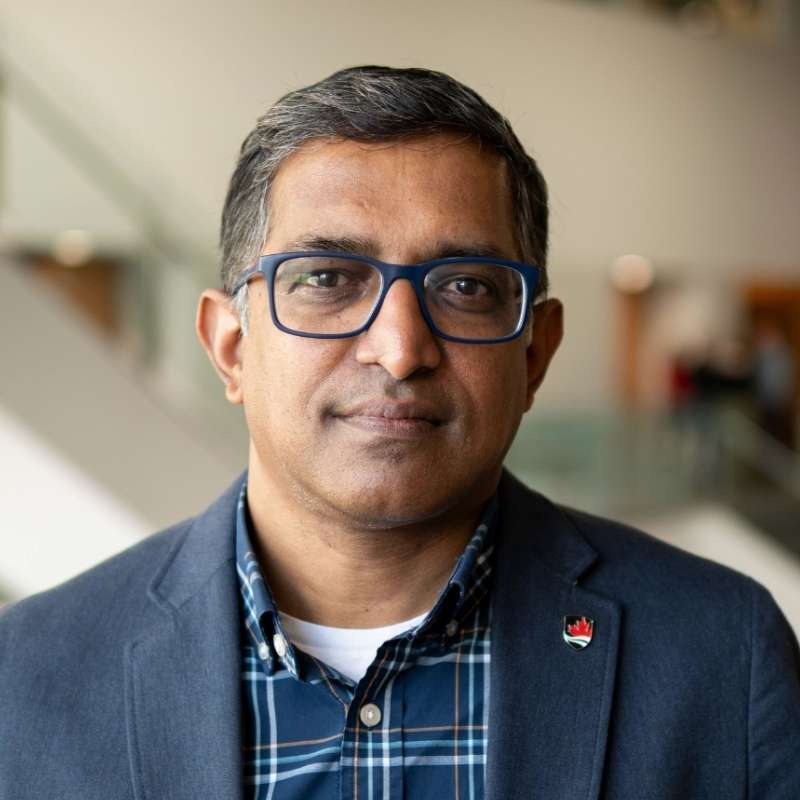
Yiagadeesen “Teddy” Samy Director, Norman Paterson School of International Affairs, Carleton University
Teddy Y. Samy is Professor of International Affairs and Director of the Norman Paterson School of International Affairs (NPSIA) at Carleton University. He serves as an Expert for the African Knowledge Network, Office of the Special Advisor on Africa, United Nations Under-Secretary General. Professor Samy is the co-editor of the Handbook of Fragile States (Edward Elgar Publishing, 2023) and has published widely on African economic development, domestic resource mobilization, foreign aid, fragile and conflict-affected states, deindustrialization and income inequality, small island developing states, and trade and development. Samy holds a PhD in Economics from the University of Ottawa.
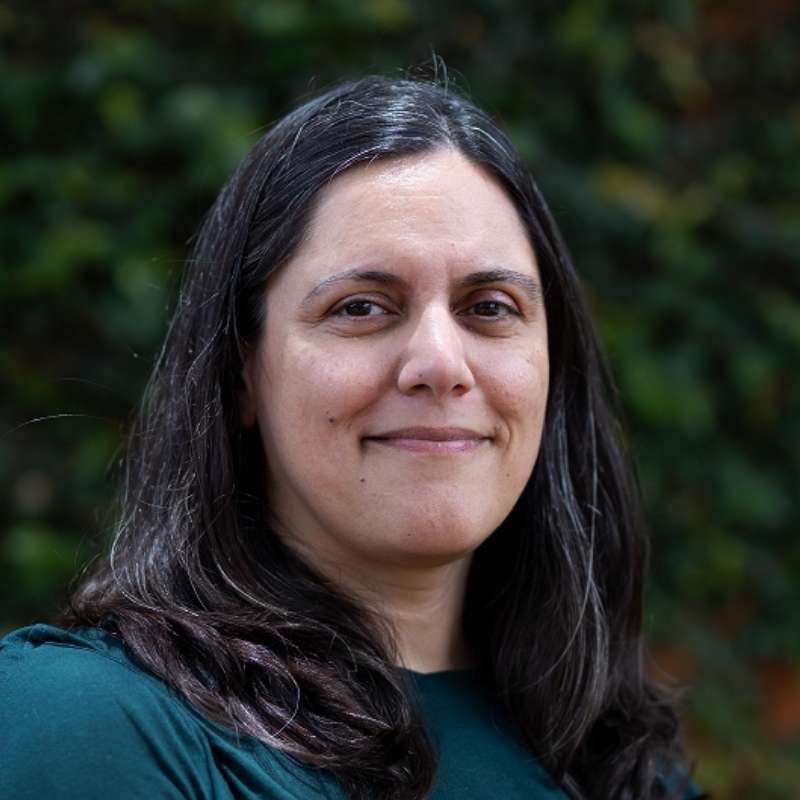
Dalia Al-Awqati Deputy Director, Humanitarian Affairs, Oxfam Canada
Dalia Al-Awqati is a dedicated humanitarian worker with twenty years of experience in the non-profit sector, specializing in complex crises. Currently the Deputy Director, Humanitarian at Oxfam Canada, she oversees humanitarian action, advocacy, and funding. Previously, as Head of Humanitarian Affairs at Save the Children Canada, Al-Awqati led programs and policy engagement. Her extensive field experience includes roles with the IRC, Mercy Corps, and DRC across Bangladesh, Iraq, Sudan, and Türkiye. A native Arabic speaker, she holds a master’s degree in Human Rights from Central European University and a bachelor’s degree in Peace and Global Studies from Earlham College.
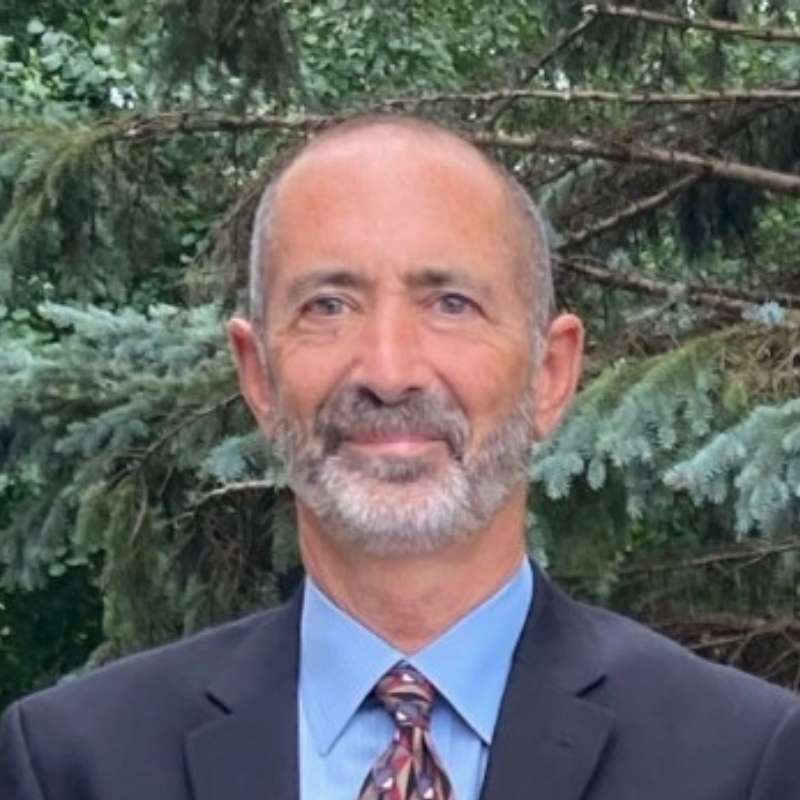
Jon Unruh Professor of Geography, McGill University
Dr. Jon Unruh is Professor of Geography at McGill University, Canada, with more than 30 years of experience in the research, policy, and practice of housing, land, and property rights in war-affected settings. He has published extensively and has advised international agencies, governments, and donors on restitution and compensation programmes in conflict-affected countries. His work has included collaborations with UN agencies, NATO, the World Bank, OSCE, USAID, the U.S. State Department, and Global Affairs Canada. Unruh has undertaken research and implementation work in 27 countries, including Ukraine, Iraq, Syria, Sudan, Somalia, Liberia, and Colombia.
| Breakout Session 3: Pursuing biodiversity conservation and climate action through a gender-transformative approach |
Amidst an accelerating climate crisis and shifting geopolitical priorities, Canada is pivoting toward more integrated, high-impact interventions that link climate justice with biodiversity conservation. This panel confronts how Canadian organizations are adapting to tighter funding and higher expectations as they embed gender-transformative strategies into nature-based solutions, ensuring that environmental action simultaneously dismantles systemic inequalities.
Drawing on decades of expertise in agrobiodiversity, food security, and rural livelihoods, panelists will explore emerging models that bridge high-level climate diplomacy with community-led ecosystem stewardship. The discussion evaluates how Canada can lead on the global stage by linking finance reform with intersectional feminist climate action that tackles the root causes of vulnerability. By analyzing the role of traditional knowledge and innovative monitoring tools in empowering women as environmental stewards, this session provides a vital space to reflect on the necessity of these integrated, transformative models within today’s volatile policy and operational environment.
Moderator:
Chris Huggins Associate Professor, International Development and Global Studies, uOttawa
Chris Huggins is an Associate Professor in the School of International Development and Global Studies at the University of Ottawa. His research focuses on informal livelihoods and natural resource management in Africa. He holds a PhD from Carleton University and an MA from Strathclyde University. Currently, he is researching critical mineral extraction in Tanzania and the DRC. He recently co-authored a paper on nature-based solutions for climate adaptation in West Africa, specifically Côte d’Ivoire, Ghana, and Guinea. Huggins has also explored the impacts of climate change on migration across the Asia-Pacific region.
Panelists:
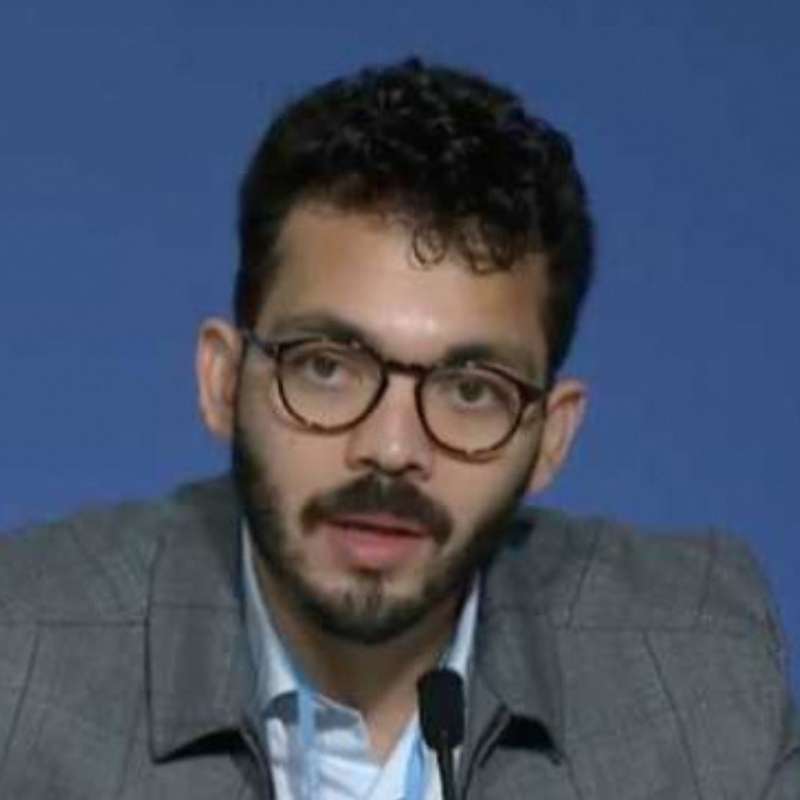
Eddy Pérez Founder, Pérez Strategic Partnerships
Eddy Pérez is a climate diplomacy expert with over a decade of experience across negotiating tables and frontline communities. He recently founded Pérez Strategic Partnerships, a consultancy building climate finance links between North American and Global South institutions. Pérez also serves as Lead Advisor for the Africa Adaptation Initiative and as a Climate Finance Expert for the International Climate Policy Hub. Previously, as Senior International Affairs Advisor to Canada’s Environment Minister, he shaped international climate strategy and finance mobilization. Fluent in Spanish, French, and English, Pérez has trained diplomats across Africa and Latin America on international negotiations.

Laura Parisi, Associate Professor, Gender Studies and former President, CASID
Laura Parisi is an Associate Professor of Gender Studies and Political Science at the University of Victoria. A feminist International Relations specialist, she is a former President of the Canadian Association for the Study of International Development (CASID). Parisi has extensive experience as a gender and human rights advisor for Global Affairs Canada and various NGOs. Her current research includes a GAC-funded project on women’s empowerment in Bolivian aquaculture and SSHRC-sponsored studies on the shifting development aid landscape in East Africa.
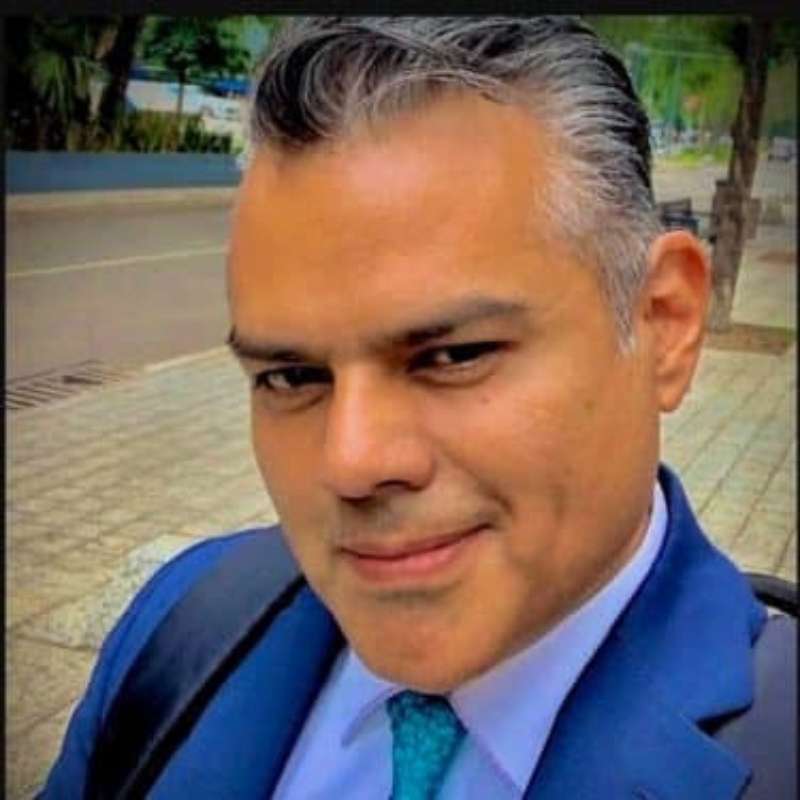
Marco Heredia Project Manager, Alinea International
Marco Heredia is a Project Manager at Alinea International, overseeing climate governance and adaptation initiatives across 34 Sub-Saharan African countries. With extensive experience, he has advanced gender-responsive climate policy in national and multilateral contexts. Notably, Heredia developed gender-inclusive environmental management guidelines in El Salvador and supported women’s participation in UNFCCC negotiations in the Maldives. Previously at UNEP, he managed gender-sensitive monitoring for projects across 10 Latin American and Caribbean countries. Heredia also contributed to Mexico’s Special Climate Change Program and participated in COP25 negotiations to enhance the UNFCCC Gender Action Plan.

Olivia Nasewicz Program Manager, Environmental Advisor, WUSC
Olivia Nasewicz is Program Manager and Environment Advisor at the World University Service of Canada (WUSC), leading initiatives at the intersection of environmental sustainability and social equity. With a background in Sustainable Development Engineering and Corporate Social Responsibility, she brings field experience from West Africa, Madagascar, and India. Nasewicz champions holistic, gender-transformative approaches to climate action and biodiversity conservation, emphasizing the private sector’s role in development. Her expertise lies in engaging diverse stakeholders to build resilient, inclusive solutions for a rapidly changing world.
| Breakout Session 4: Beyond Grants: How New Financing Models Are Shaping Development |
Traditional development finance is evolving. With grant funding increasingly stretched, new tools like blended finance, catalytic capital, and outcome-based mechanisms are being used to attract private investment and deliver greater impact. This session explores how these models are reshaping development practice and what they mean for organizations operating in this changing environment.
Panelists will share perspectives from policy, market-building, and implementation, examining how blended structures are designed, what role public finance plays in mobilizing private capital, and how results are evaluated by both investors and donors. The conversation will also consider how donor governments are integrating innovative finance into their programming, how nongovernmental organizations are adapting to these approaches, and what it takes to make partnerships between grants and capital actually work in practice.
Moderator:

Lindsay Wallace Executive Director, FINCA Canada & Chair of the Board, CAFIID
Lindsay Wallace leads FINCA Canada and oversees social investment strategies at FINCA International, focusing on strategic partnerships to advance the organization’s mission and global impact. With over 25 years of experience in international development, she has worked across education, agriculture, and financial inclusion, with a strong focus on private-sector solutions to reduce poverty. She has held senior leadership roles at MEDA, Limestone Analytics, the Mastercard Foundation, and the UK’s Foreign, Commonwealth & Development Office. She is also Board Chair of the Canada Forum for Impact Investment and Development (CAFIID).
Panalists:

Krishna Malhotra Associate Director Blended Finance Accelerator, Convergence Blended Finance
Krishna has over 10 years of experience across blended finance, capital markets and impact investing in developed and emerging markets. He is an Associate Director at Convergence Blended Finance and manages several of their global and regional accelerator programs. Krishna has previously worked in the Venture Capital division of Sterlite Technologies, where he invested in impact and technology startups in India. He has prior experience in global capital markets at TD Securities and Barclays. Krishna has completed all three levels of the Chartered Financial Analyst program and has a master’s degree in accounting and finance.
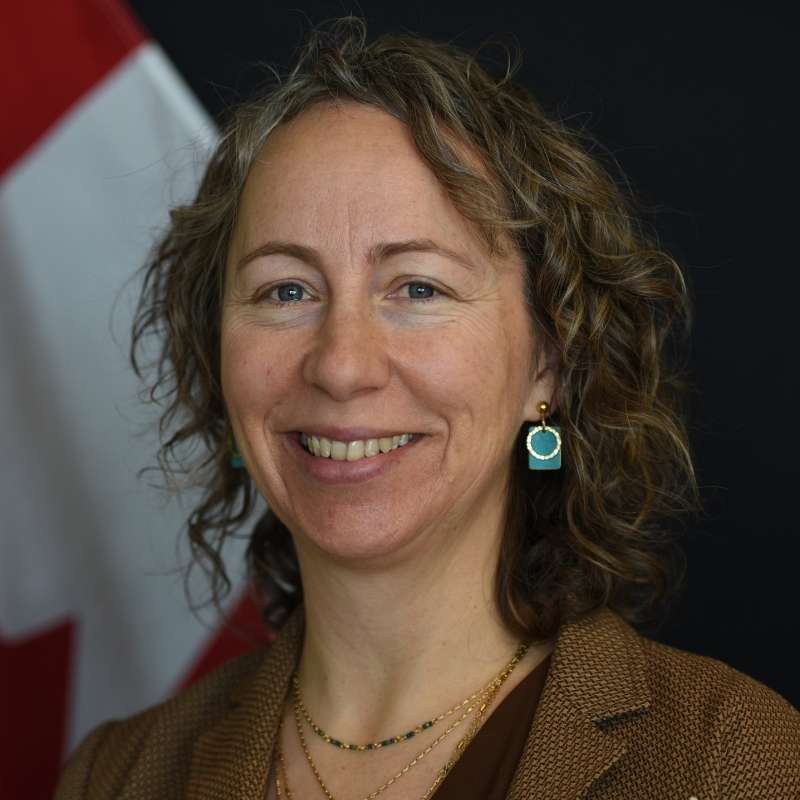
Geneviève Brown, Executive Director of the Innovative Finance program.
Geneviève Brown is Executive Director of the Innovative Finance Program at Global Affairs Canada, with over 23 years of experience in international development. She leads teams responsible for innovative finance programming, financial analysis, and policy, mobilizing capital and advancing development impact in emerging markets. Her work includes shaping Canada’s role in international forums and supporting impact measurement in blended finance. She works closely with partners across government and with FinDev Canada to strengthen the impact investing ecosystem. Her previous roles include work in global health, donor coordination, and public financial management, with international experience in Morocco and Senegal.
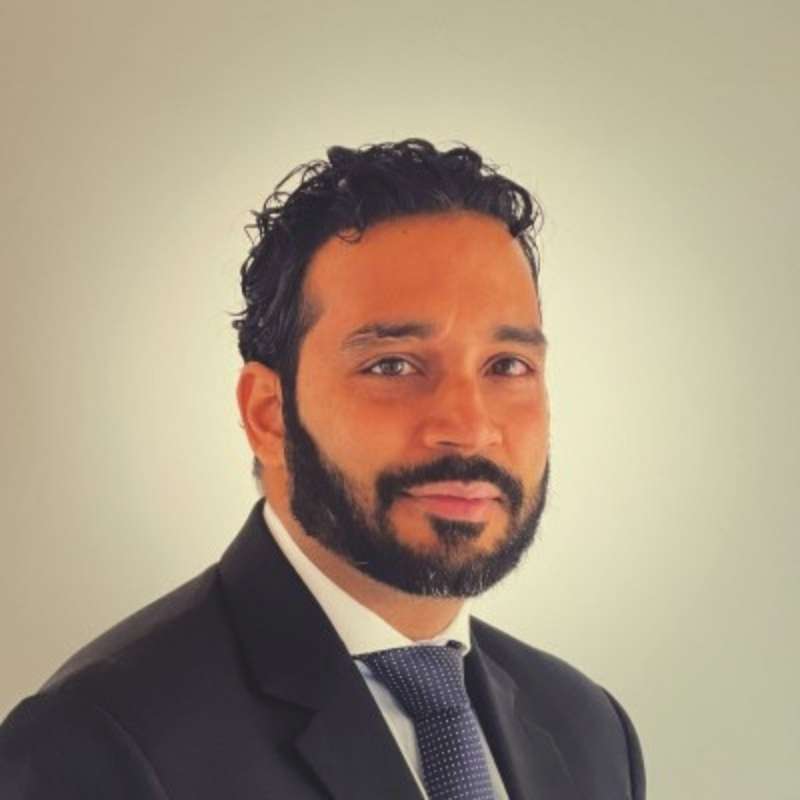
Pranay Samson Director, Innovative Finance, Plan International
Pranay Samson is a global leader in using finance to accelerate social change, with over 20 years of experience at the intersection of finance and development. He leads innovative finance at Plan International Canada and its social enterprise, PlanCatalyst. He has previously led corporate finance at the Impact Investment Exchange, a pioneer in blended finance, and has advised organizations including the OECD, Gates Foundation, USAID, and the Islamic Development Bank. He also serves on the Board of the Criterion Institute and co-chairs the Innovative Finance Working Group at Cooperation Canada.
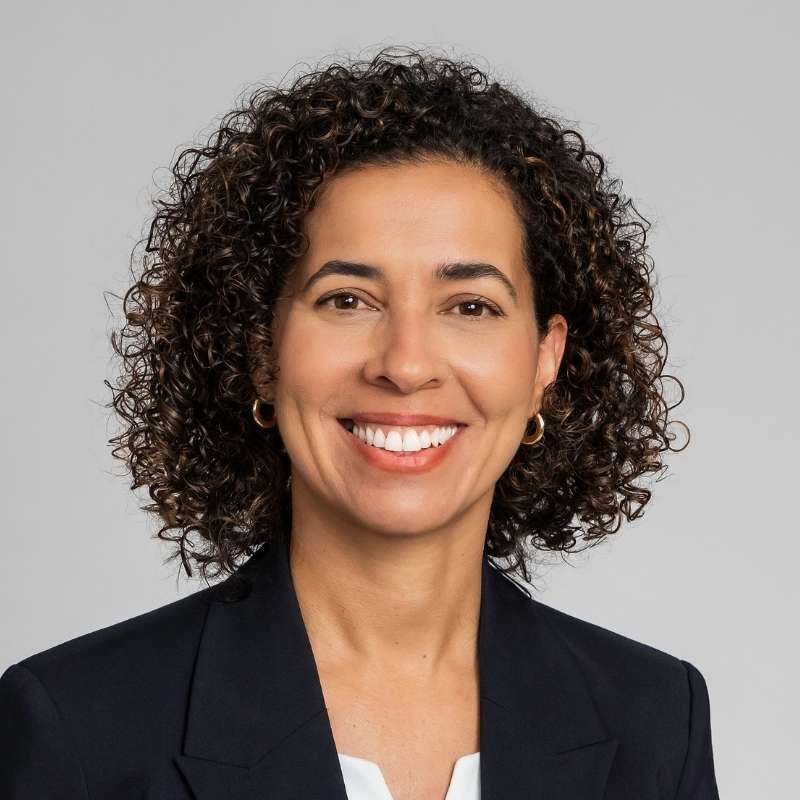
Nadia Guerch Head of Programs, Cowater International
Nadia Guerch is Head of Programs at Cowater International, with over 20 years of experience in international development across Africa, the Middle East, Latin America, and Asia. She oversees a large and diverse portfolio and leads strategic partnerships with Global Affairs Canada. Her work focuses on economic growth, private sector engagement, and development finance, with deep experience designing and delivering complex multi-country programs. She brings a practical perspective on how financing structures shape program design and implementation, and is committed to advancing economic empowerment for women and youth.
| Breakout Session 5: New Partnership Models for a Changing Development Landscape. |
Partnerships are central to how international development programs are designed and delivered. As Canadian development priorities, financing approaches, and delivery expectations continue to shift, organizations are rethinking how partnerships are structured, managed, and sustained, and what different configurations are intended to achieve.
This session draws on recent research and direct program experience to examine how partnership models are evolving in practice. Panelists will explore how organizations are working with a range of actors, including local partners, academic and research institutions, private sector actors, and civil society, and how these relationships are structured to support delivery.
The discussion will focus on how different partnership approaches are designed and implemented, where they add value, and what they require in terms of roles, coordination, and accountability in a development environment facing growing complexity and resource pressures.
Moderator:
Tanya Salewski Vice-President Program Delivery, ALINEA
Tanya Salewski, Alinea International’s Vice-President for Program Delivery, is a senior international development leader with 30 years of experience managing projects and teams in collaboration with Canadian partners, local institutions, governments, and UN agencies across Africa, Asia, and Central America. With expertise in global health, governance, and gender equality, she has served with Alinea as Project Director for a major governance initiative in Ukraine and as Field Manager for a maternal and child health project in Tanzania. Previously, Tanya was Health Team Lead at Aga Khan Foundation Canada, overseeing a broad portfolio of programs in Asia and Africa. Her career has included global health roles with the Canadian Nurses Association and the Canadian Public Health Association, as well as several years with UNICEF in Botswana and with Aga Khan University in Pakistan. Tanya holds a BA in History and an MA in International Development.
Panelists:

Michael Wodzicki Co-founder and Partner, Nexus Cooperation
Michael Wodzicki is a Partner at Nexus Cooperation with over 20 years of experience designing capacity-building and funding programs in Canada and internationally. He has led strategic planning, policy development, and program implementation for non-profits, charities, and civil society organizations. His experience spans the municipal, cooperative, and not-for-profit sectors, and includes advising a federal Canadian cabinet minister.
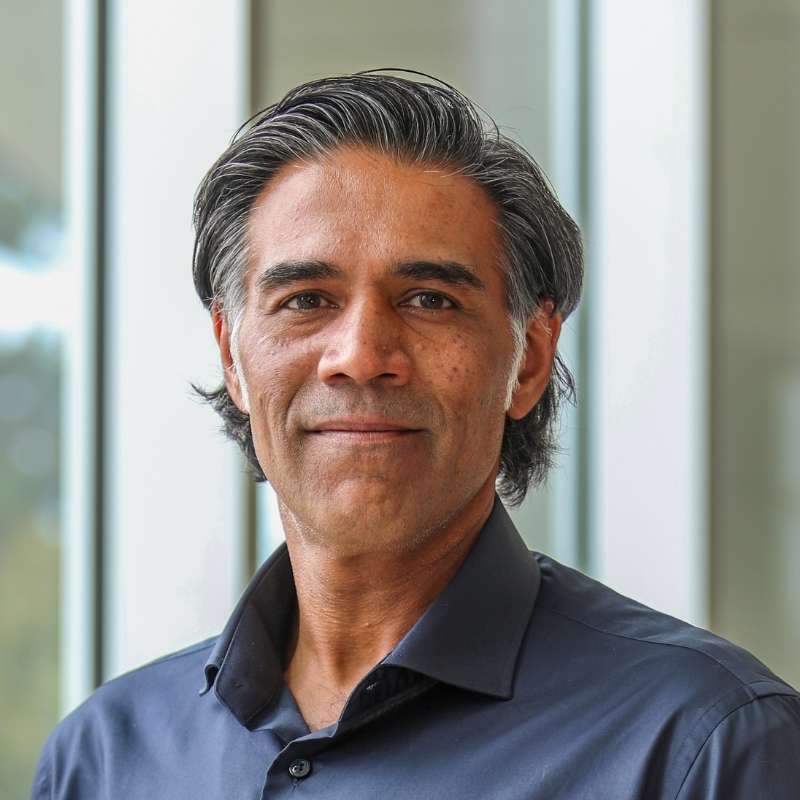
Abbas Sumar Principal, Sumar & Associates Ltd
Abbas Sumar is Principal of Sumar + Associates Ltd., advising governments, donors, and partners on global education, workforce development, and economic inclusion. With over 15 years of experience across international development, higher education, and public policy, he has led initiatives in skills development, TVET reform, and employment pathways across Africa, Asia, the Middle East, and the Americas. His work focuses on building market-responsive systems, strengthening institutional capacity, and delivering sustainable, scalable impact through partnership-driven approaches.
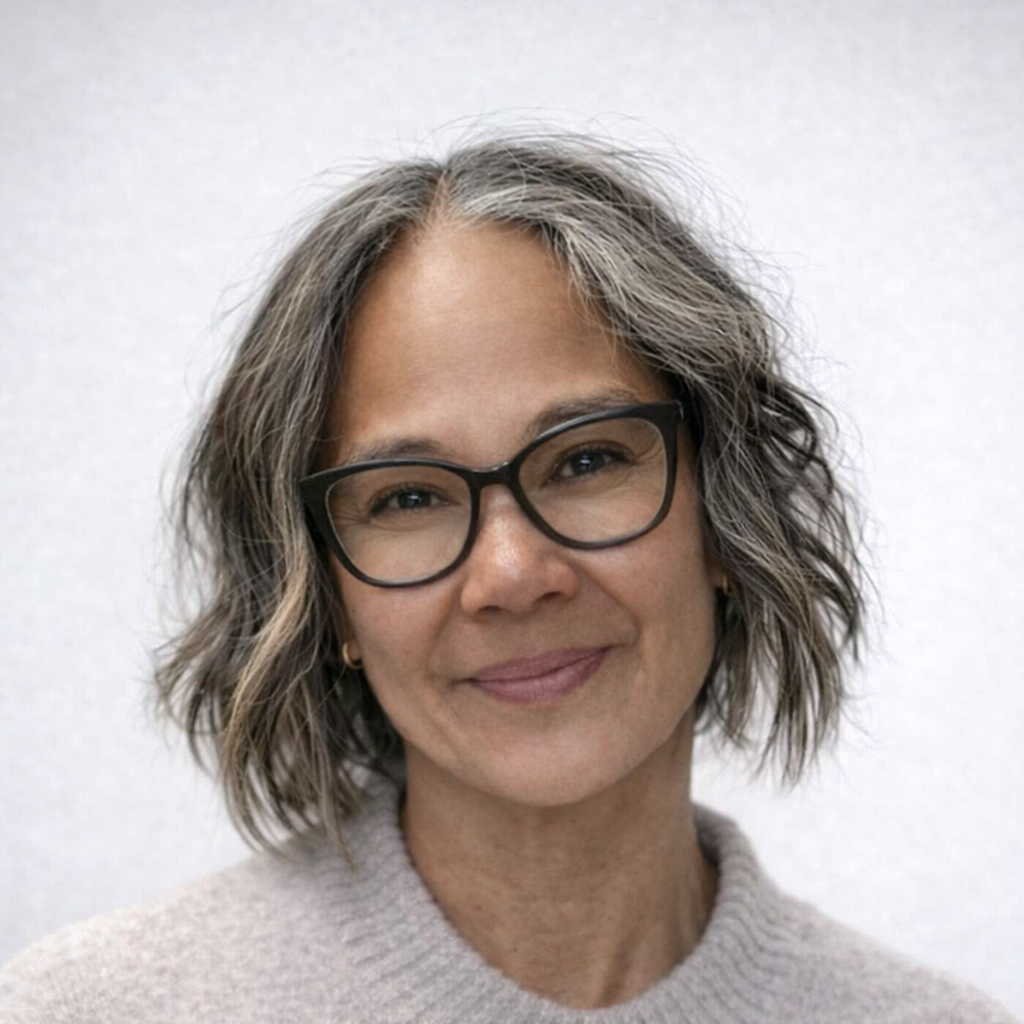
Yvette Macabuag, Director, Program Quality and Impact, Cuso International
Yvette Macabuag is Director of Program Quality and Impact at Cuso International, where she advances partner‑focused approaches to inclusive, locally led development. With over 20 years of experience in the NGO sector, Yvette has worked with diverse partners across civil society, government, academia, and the private sector to strengthen gender equality, economic resilience, and climate action. She brings extensive experience supporting adaptive partnership models in complex development contexts across Africa, Asia, Latin America, and the Caribbean.
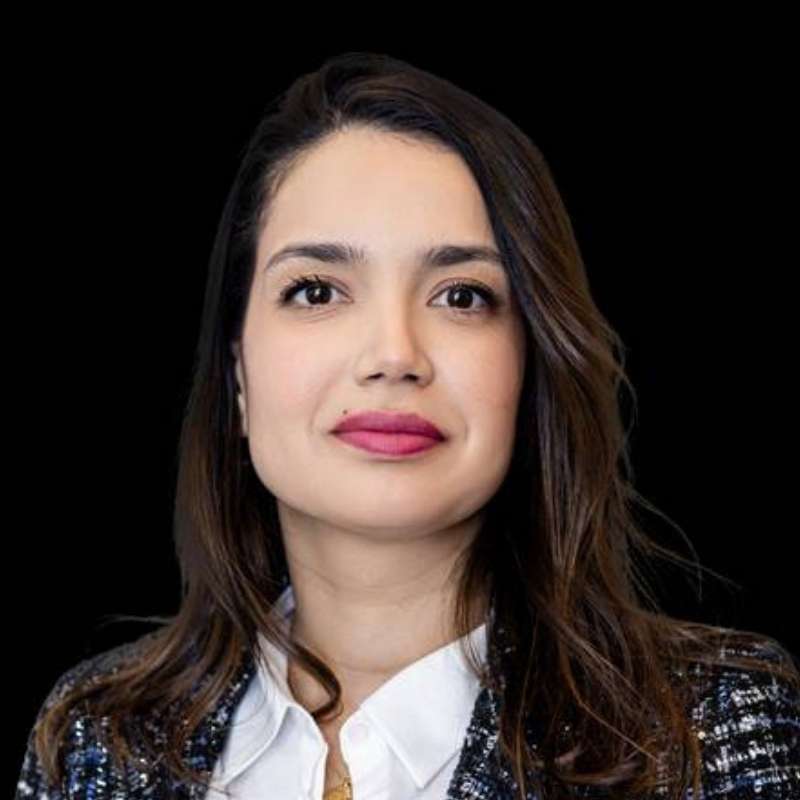
Hind Sourat, Partnership Officer, International Development Research Centre (IDRC).
Hind Sourat is a partnerships and strategy professional with over a decade of experience leading complex, multi-stakeholder initiatives across the Global South. At the International Development Research Centre (IDRC), she structures and manages collaborations that connect research, policy, and financing to advance inclusive and sustainable economies. Her work focuses on designing and delivering large-scale partnerships, translating evidence into actionable strategies, and working closely with governments, multilaterals, and philanthropic actors. She previously led partnerships for the green transition at Crédit Agricole du Maroc, driving regional cooperation and financing efforts. Hind is PMP® certified, an Accredited Partnership Broker (PBA), and holds a Master’s in International Business and a Bachelor in Engineering and Management Sciences.
| Breakout Session 6: The Expanding Role of AI in Canada’s International Development Sector |
Interest in digital tools and artificial intelligence is fundamentally reshaping the development sector, from the automation of administrative processes to the transformation of the professional labor market. This panel explores the dual impact of AI: how it is redefining the skills and roles required of development practitioners and how it is being deployed to enhance service delivery, monitoring, and adaptive management. The discussion moves beyond technical utility to confront critical issues of equity, examining the potential for AI to bridge – or widen – divides between genders and between the developed and developing world.
By analyzing the intersection of data governance, AI ethics, and emerging regulatory frameworks, the panel highlights where digital tools contribute to impactful programming and where they encounter significant limitations or risks. Participants will reflect on how these technological shifts interact with diverse delivery models and contextual realities, providing a vital space to evaluate the relevance of AI within today’s complex policy and funding environment.
Moderator:
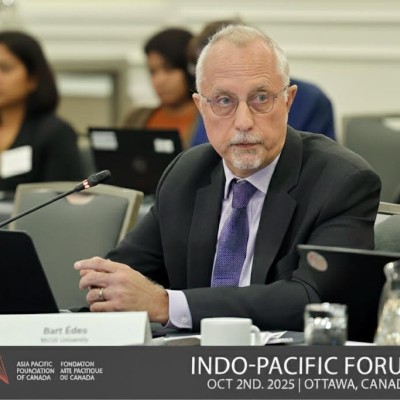
Bart Édes Professor of Practice at McGill University, Institute for the Study of International Development, McGill University
Bart Édes is a Professor of Practice at McGill University’s Institute for the Study of International Development and an analyst and author. A Distinguished Fellow at the Asia Pacific Foundation of Canada, he advises international organizations on partnerships, strategy, communications, and strategic foresight. During two decades at the Asian Development Bank, he directed teams focused on governance, knowledge management, and social sectors. Previously, he managed an EU-OECD program supporting public administration reform in Central and Eastern Europe. Édes holds a BA in government from Georgetown University and a Master of Public Policy from the University of Michigan.
Panelists:

Dr. Thomas Hervé Mboa Nkoudou Assistant Professor, Department of Communication, uOttawa
Dr. Thomas Mboa is an Assistant Professor at the University of Ottawa whose work examines how AI and digital infrastructures shape Global North-South power relations. He leads a research program on scaling responsible AI innovation, including a MITACS project transferring AI solutions from Canada to Africa. A member of the OpenAIR network, he is a co-investigator in the “Canada-Africa Partnership on Intellectual Property for Climate Action.” Across his academic and advisory roles, he explores how AI can support just, gender-aware, and locally rooted development.
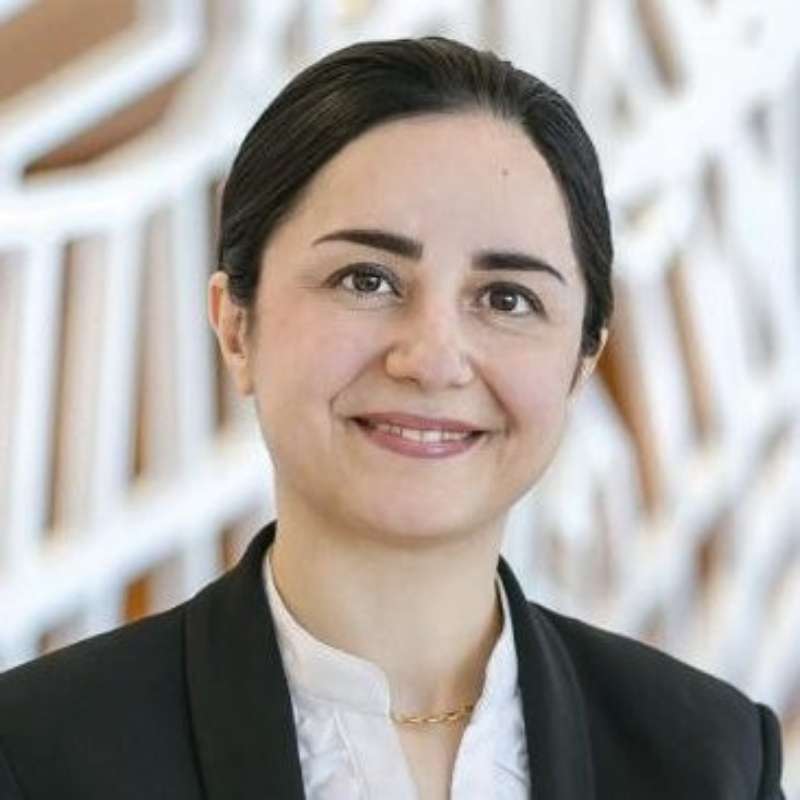
Dr. Mandana Arabi Vice President, Research and Development and Chief Technical Advisor, Nutrition International
Dr. Mandani Arabi is Vice President, Research and Development and Chief Technical Advisor at Nutrition International, where she oversees technical programming across 10 countries. A medical doctor with a PhD from Cornell University, Arabi has extensive experience designing and evaluating public health interventions for vulnerable populations. Previously, Arabi served as a nutrition advisor for UNICEF and the Founding Executive Director of the Nutrition Institute at the New York Academy of Sciences. A distinguished authority, she has co-authored global guidance for the WHO and UNICEF, focusing on infant feeding and integrating nutrition with early childhood development. Arabi leads global teams to address evidence gaps.
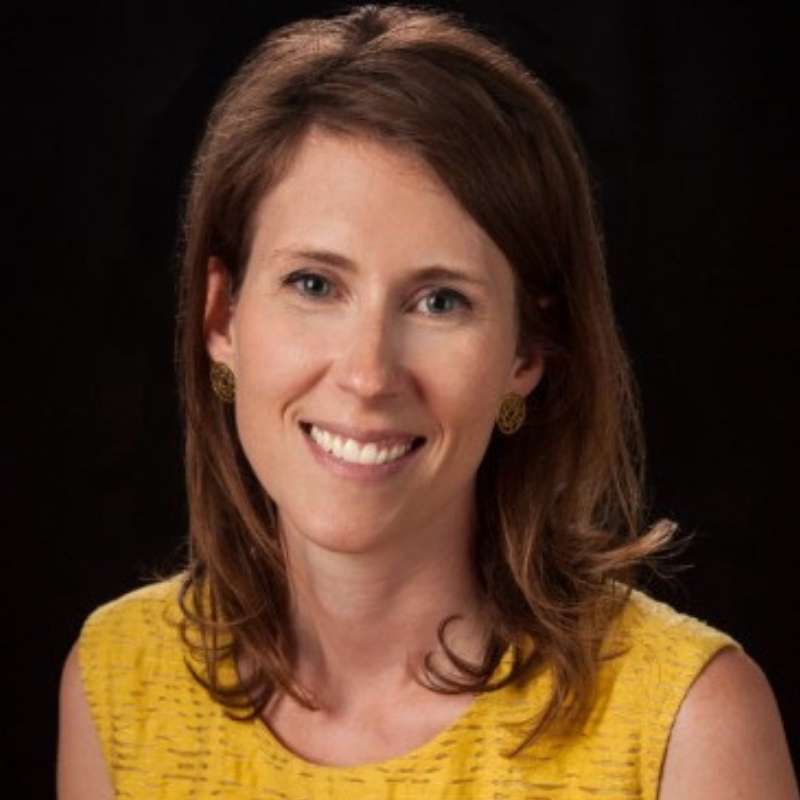
Maggie Gorman Vélez Vice President, IDRC
Maggie Gorman Vélez is Vice-President, Strategy, Regions and Policy at IDRC. Beginning her career there as a Professional Development Awardee, she has held progressively senior roles for over 20 years, including Chief of Staff and Director of Policy and Evaluation. As a member of the executive team, she plays a key role in implementing Strategy 2030, overseeing corporate risk, and positioning IDRC within global research and funding networks. Maggie holds an MA in International Affairs and a BA (Hons) in Economics.
| Breakout Session 7: How Canadian Development Actors Can Diversify Funding Sources |
International development financing is undergoing a period of adjustment as major donors reduce or realign Official Development Assistance (ODA) and revise delivery approaches. Recent donor analyses indicate a decline in ODA levels among several leading donors, including Canada. This decline has contributed to increased competition and changes in how development activities are funded and delivered.
These shifts are affecting Canadian organizations and individual practitioners that have traditionally relied on a limited set of bilateral and multilateral funding sources. At the same time, alternative funding environments—including European Union instruments, Gulf‑based development financing, and blended and non‑traditional mechanisms—are playing a more prominent role in international development.
This session provides a space to examine why diversification of funding sources is becoming increasingly relevant for Canadian actors and to explore where additional opportunities may exist. The discussion will consider how Canadians can engage with funding sources that have been less frequently accessed in the past, and what this implies for partnerships, positioning, and delivery approaches.
The focus will be on understanding the evolving funding landscape and identifying practical considerations for broadening engagement with new donor models.
Moderator:

David Comerford Vice-President of Global Programs at Canadian Leaders in International Consulting (CLIC)
Experienced Director Of Partnerships with a demonstrated history of working in the management consulting industry. Skilled in International Relations, Proposal Writing, Non-Governmental Organizations (NGOs), Civil Society, and Policy Analysis. Strong professional with a Diploma focused in International Cooperation from Institute for International Development and Cooperation.
Panelists:
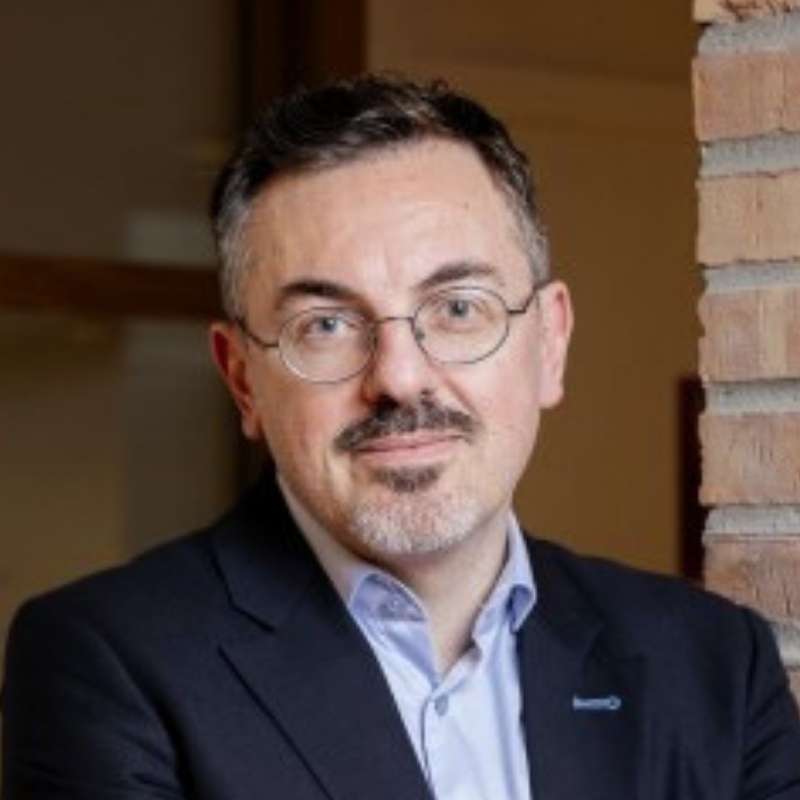
Nicolas Rougy: Executive Director, LEADEUR Consulting, Brussels Belgium
Nicolas is a seasoned strategist with 25 years of experience in the Brussels landscape, specializing in institutional relations and European affairs. Throughout his career, he has successfully built meaningful connections between civil society and public institutions, contributing to the shaping of EU policies through impactful collaborations across both the private and non-profit sectors.
A recognized voice in policy and decision-making circles, Nicolas has held leadership positions in prominent networks such as the Human Rights and Democracy Network and the European Peacebuilding Liaison Office. In 2011, he founded Leadeur to help civil society organizations and senior management teams engage effectively with European and international institutions through smart, collaborative, and results-driven strategies.
He holds degrees from the Clermont-Ferrand School of Management and Heriot-Watt University. In addition to his consulting work, Nicolas is a respected speaker and trainer, known for his expertise in social brokering and strategic engagement.
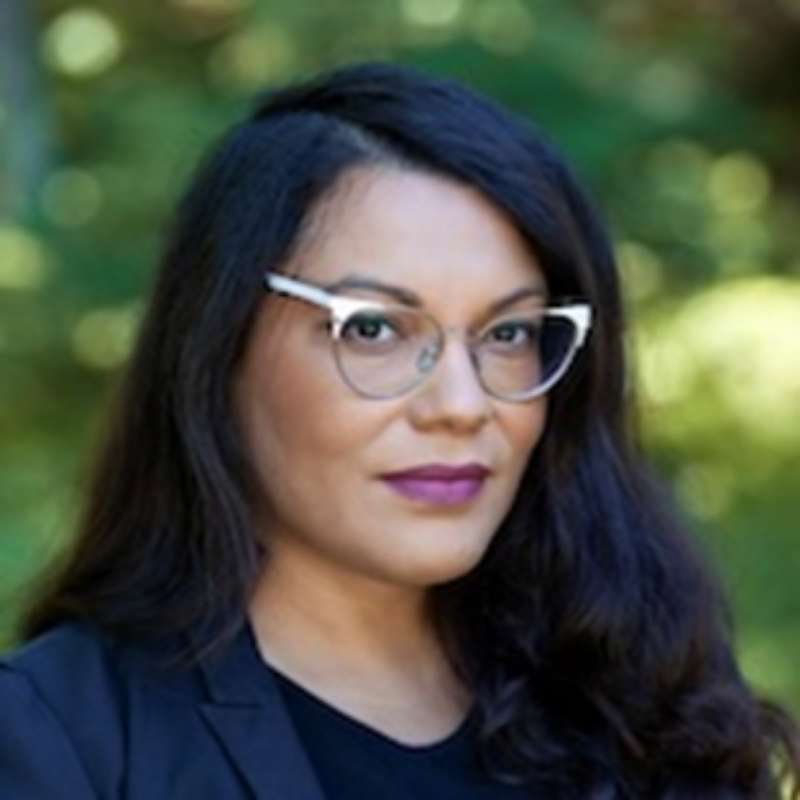
Natasha Mooney, Unit Head, External Relations of the North American Representative Office Strategy, Policy, and Partnerships Department ADB
Natasha worked at Canada’s Foreign Ministry as a Senior Policy Analyst leading international development policies and strategies. While at Global Affairs Canada, she led the development of Canada’s Feminist Civil Society Partnerships Policy, adopting a gender-based approach to partnerships with the civil society sector. She also developed international assistance components of Canada’s Indo-Pacific Strategy, including leading a targeted infrastructure investment of $750M to support sustainable and green infrastructure in the region. Natasha also served as Canada’s institutional lead for key multilateral institutions, including both the ADB and the Global Fund.
Natasha has previous work experience with the Canada Border Services Agency as a Deputy Director for National Security Intelligence and Review, as a Monitoring and Evaluation Manager for a local non-governmental organization in Northern Ghana, and with the Canadian Commission for the United Nations Educational, Scientific, and Cultural Organization UNESCO.
An experienced researcher, Natasha holds a PhD in the field of Policy and Evaluation. She is fluent in four languages, and her work and studies have allowed her to participate in projects in Europe, Latin America, and West Africa.

Isa Topbas, former Senior Advisor to Canada’s Minister of International Development
Isa Topbas is a former senior advisor to Canada’s Minister of International Development and has advised multiple senior cabinet ministers during his tenure in politics. Having operated in the political space for close to a decade, Isa began his career at the International Organization for Migration in Geneva, working within the international cooperation and partnership division before returning to Canada. Prior to his departure from government, Isa’s focus was on diversifying the Canadian government’s engagement with non-traditional donors, as well as private philanthropy to bring greater impact to international development spending. Currently, he is advising on a project seeking to define a renewed understanding of multilateralism through the Global Strategic Initiatives Group.
| Breakout Session 8: Sharpening the skills needed to prosper in the new age of overseas development assistance. |
This session will focus on identifying the current skills that are needed for early or mid-career professionals and students entering the international development sector today, especially considering the current volatility and uncertainty in the sector.
Themes covered in the session:
- How the nature of international development work has shifted over the past couple decades
- How COVID and digitalization have reshaped the structure of work and earlycareer opportunities
- The realities and challenges faced by earlycareer professionals entering the sector today
- What these shifts mean for sector sustainability and the future of development careers
Moderator:

Michelle Brown Ochaita,Environment and Peacebuilding Evaluation Intern, Universalia
Michelle is a McGill University graduate and international development professional working at the intersection of research, evaluation, and policy-oriented practice. As an Environment and Peacebuilding Evaluation Intern at Universalia, she supports evidence-based analysis across global initiatives involving UN agencies, governments, NGOs, international financial institutions, and local civil society actors. With experience in Latin America, South Asia, and East Africa, she brings expertise in governance, justice, and institutional strengthening, combining analytical rigor with practical insight to support learning and decision-making in complex, multi-stakeholder environments in a rapidly evolving international development landscape.
Panelists:
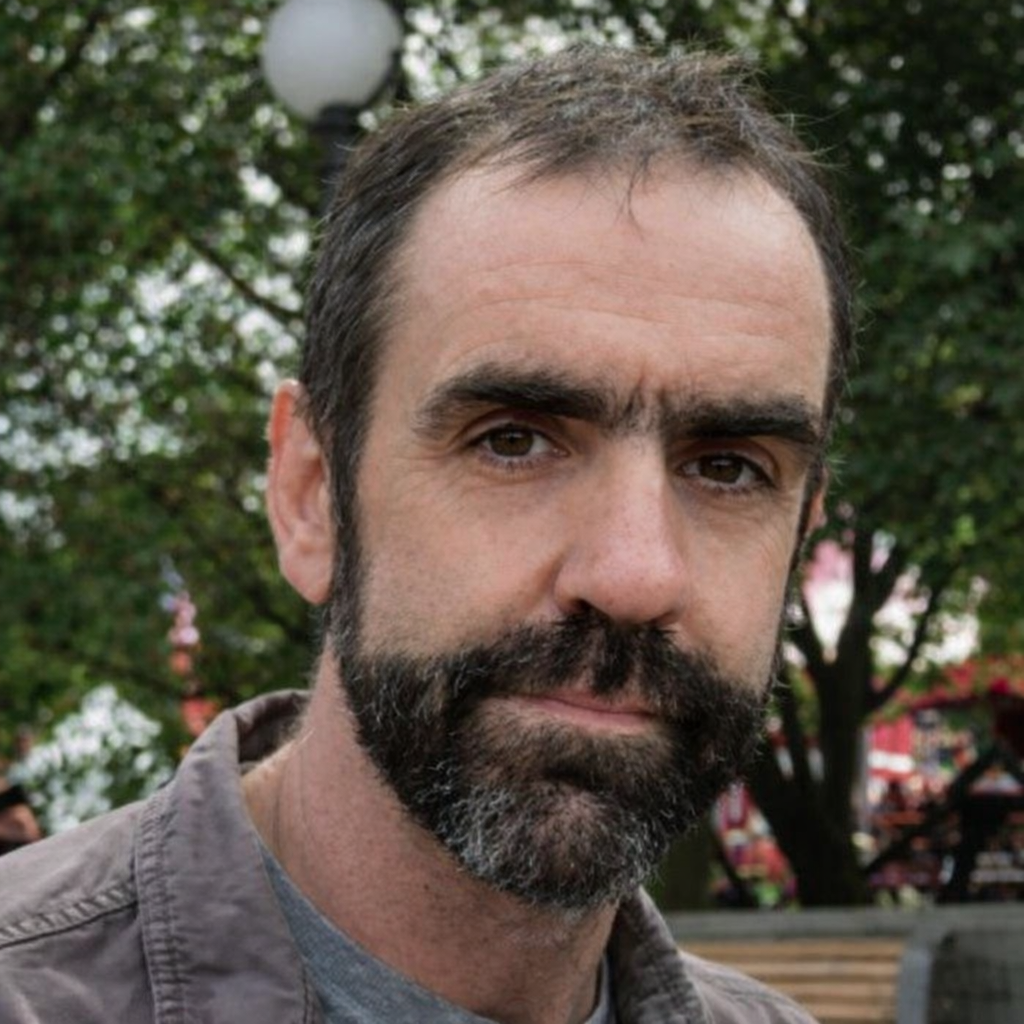
Jim Delaney, Executive Director of the Global Development Policy and Practice Hub, UOttawa
Jim Delaney is Executive Director of the Global Development Policy and Practice Hub at the University of Ottawa. He joined the University in 2026 following more than a decade with World University Service of Canada, where he served as Director of Technical Services. Jim teaches in experiential learning, adaptive management, organizational learning and systems thinking. Jim has published on community economic development, cross-sector collaboration and policy engagement, and has consulted for the World Bank, the International Fund for Agricultural Development, the Asian Development Bank among others. He holds an MA in Political Science and an MBA with a focus on strategy and innovation.
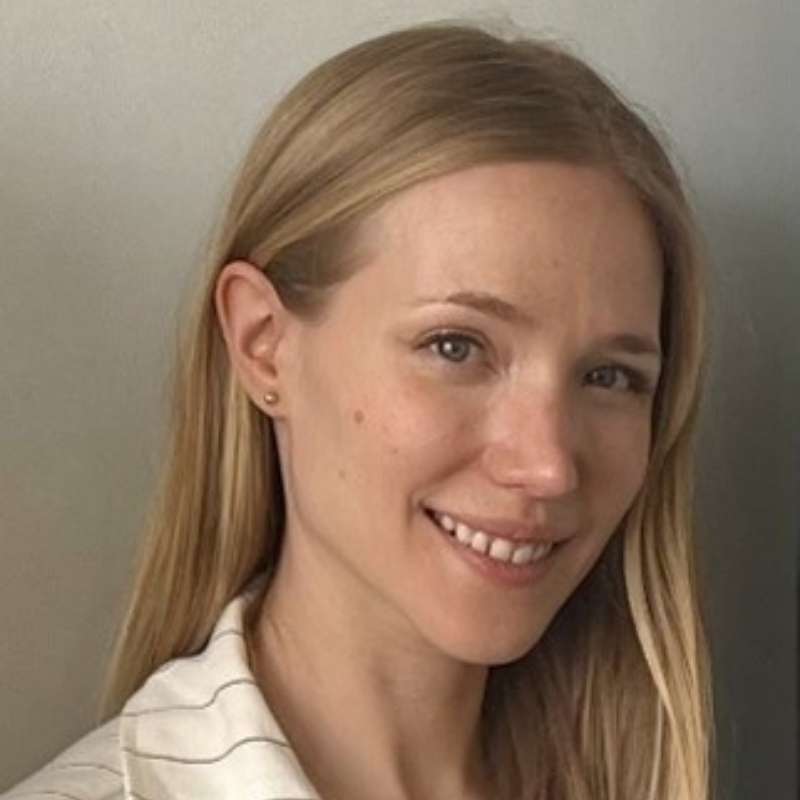
Sarah Schattmann, Program Director, Alinea International
Sarah is an international development professional with over eight years of experience managing complex, multi-partner programs across diverse international contexts. Based in Ottawa with Alinea International, Sarah currently oversees a portfolio of projects in the Caribbean, providing leadership in coordination, financial oversight, risk management, and donor reporting. She has worked with organizations including Alinea International, Plan International Canada, and UN Women, supporting multi-country portfolios in close collaboration with government institutions, donors, and technical experts. Her work includes a strong focus on women’s economic empowerment programming, supporting initiatives that advance inclusive growth and gender equality, and spans North Africa and the Middle East, West Africa, and South and Southeast Asia. She holds a master’s degree in international affairs, is a certified Project Management Professional PMP, and is fluent in English and French.

Evelyne Guindon, Senior Advisor for Leadership Search for the Social Impact Sector, Oxford HR
Evelyne Guidon leads executive searches in the social impact sector with Oxford HR, serving in the Ottawa area. She brings several decades of experience as an executive in the INGO sector and a depth of understanding of the fast-changing funding environment. She understands the decolonizing and anti-racist journey the sector is undertaking and the leadership needs to make this change. She is especially eager to identify and support the next generation of leaders and motivated to build a strong social impact sector fit for the future.
| Breakout Session 9: Philanthropy in Global Development |
As official development assistance (ODA) and traditional grant funding come under pressure, philanthropy and alternative funders are playing a growing role in shaping global development agendas and practice. This session explores how different models of philanthropy and impact-oriented funding operate in practice, what they prioritize, and how they intersect with public funding.
Drawing on the perspectives of distinct organizations, the panel offers a grounded look at how these funding ecosystems work, what drives them, and where they connect with the work of Canadian development organizations. The conversation will help practitioners think more strategically about where philanthropy fits in an evolving landscape, and what it means for how development programs are designed, funded, and delivered.
Moderator:
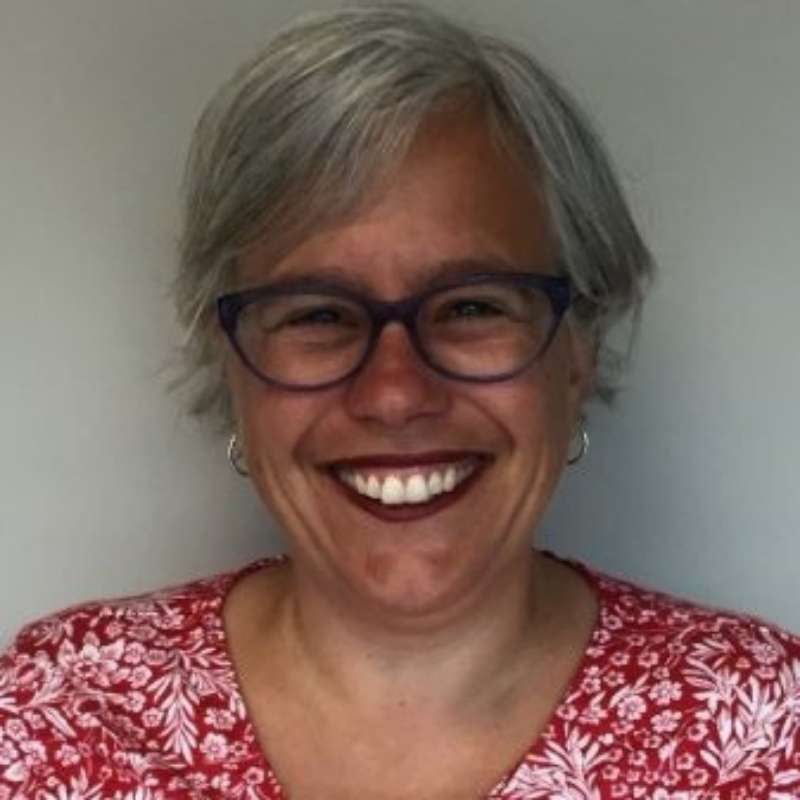
Victoria Campbell, Project Director, Cowater International
Vicki Campbell is a Project Director at Cowater International with over 25 years of global experience managing projects and programs across more than 35 countries. Her work spans trade, public sector reform, education, and health. She currently leads the implementation of the FIRST project, supporting the African Continental Free Trade Area through trade facilitation and inclusive economic growth initiatives in the DRC, Mozambique, and Zambia. She also led the Expert Deployment Mechanism for Trade and Development, a Global Affairs Canada-funded initiative. Vicki is a strong advocate for gender equality and advancing women’s economic inclusion in international trade.
Panelists:
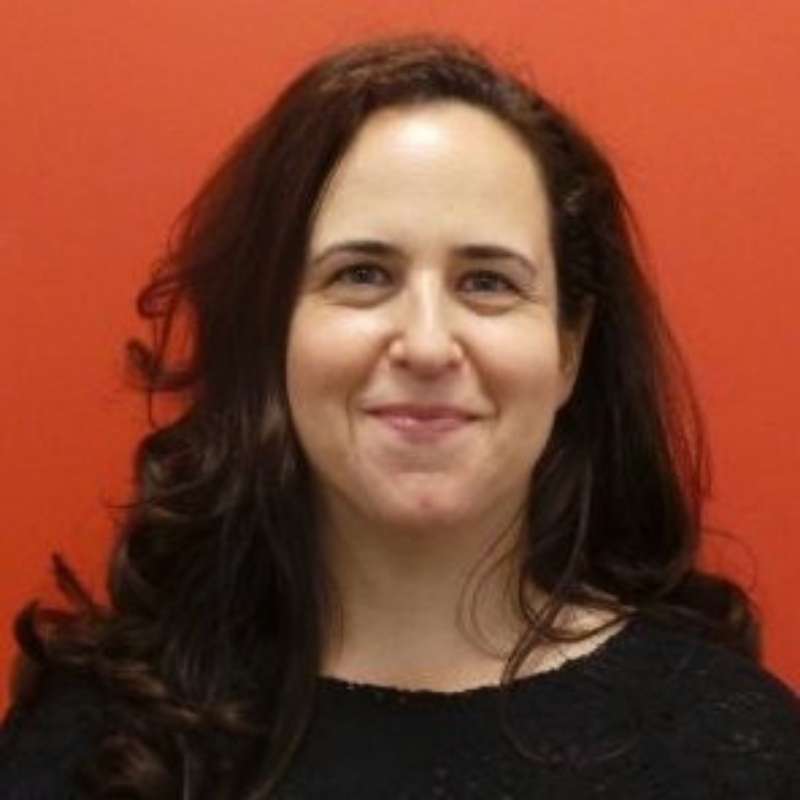
Joanne Kviring, Managing Director, Charities Aid Foundation (CAF)
With more than two decades of philanthropy experience across private, non-profit, and public sectors, Joanne Kviring is passionate about making a difference. After starting her career in banking, she has led community giving programs and charitable foundations with leading brands, including PayPal and Virgin. As CAF Canada’s Managing Director, Joanne is leading the organization in growing a more globally engaged Canadian donor community.
Charities Aid Foundation CAF is a global organization that exists to accelerate progress in society towards a fair and sustainable future for all. In Canada, we work to advance education, health, arts, protection of animals and the environment, and human rights by working with Canadian donors and partnering with social purpose organizations from around the globe.

Marina Nuri, Director of Strategy and Programs, Mariam Assefa Fund World Education Services
Marina Nuri is a strategy and social impact leader currently serving as Director of Programs and Strategy at the WES Mariam Assefa Fund, where she designs and deploys philanthropic capital to advance economic inclusion. She brings over a decade of experience across consulting, international development, and philanthropy, with a focus on trust-based philanthropy, participatory models, and catalytic capital to support more resilient organizations and systems.
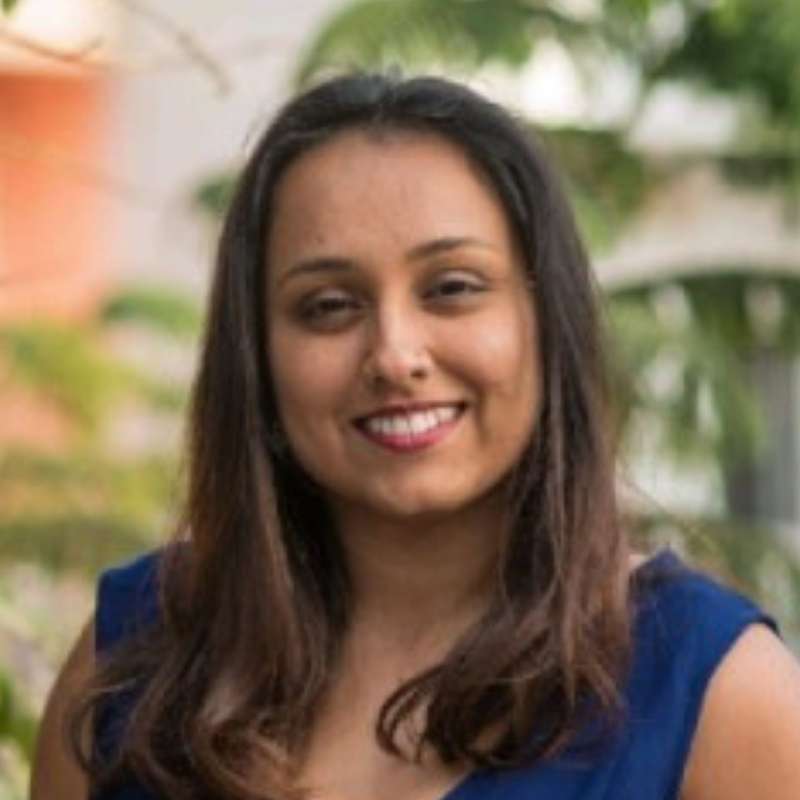
Mohini Bhavsar, Director of Government Relations and Multilateral Partnerships
Mohini Bhavsar is a global health and social innovation leader based in Toronto, Canada, with experience advancing community health, agriculture, and financial inclusion across Africa, Latin America, and India. At Grand Challenges Canada, she leads strategic partnerships with governments and multilaterals to strengthen systems that scale innovation. Mohini has held senior roles with numerous social enterprises, where she championed digital solutions to improve health services. She holds a B.Sc. in Biochemistry from McMaster University and a Global Executive MBA from Rotman School of Management, and contributes to global health through board service, advisory roles, and the Built to Lead podcast.
| Practitioner Workshops |
AI-Powered Consulting
This hands-on workshop, “AI-Powered Consulting,” is designed to introduce development professionals to some of the practical skills needed to thrive in an era of rapid technological change. We will explore how to move beyond generic AI prompts to high-impact workflows. Participants will be introduced to Google’s NotebookLM for source-grounded research and will explore Google Gems for automating recurring consulting tasks, such as reporting and proposal drafting. While we are using Google Tools, the core concepts behind these will be familiar to users of ChatGPT, Claude and other leading generative AI suites. By the end of this session, attendees will leave with insights and ideas for integrating these tools into their practice. We will also reflect more broadly on the role of AI and automation in development practice (the good, the bad and the ugly).
Jim Delaney, Executive Director of the Global Development Policy and Practice Hub, UOttawa is Executive Jim Delaney is a Director of the Global Development Policy and Practice Hub. He joined the University of Ottawa in 2026 following more than a decade with World University Service of Canada, where he served as Director of Technical Services. Jim teaches in experiential learning, adaptive management, organizational learning and systems thinking. Jim has published on community economic development, cross-sector collaboration and policy engagement, and has consulted for the World Bank, the International Fund for Agricultural Development, the Asian Development Bank among others. He holds an MA in Political Science and an MBA with a focus on strategy and innovation.
Strategic Planning & Governance: What Works (and What Doesn’t) for Small Business and Non-Profit
Strategic planning and governance matter, but when you’re stretched thin, short on staff or cash flow, and not sure where to start, they are easy subjects to delay until next quarter. And you’re not alone. Most micro businesses don’t have a formal written plan, and while many small nonprofits have mission and vision statements, far fewer have the execution systems to carry that strategy forward.
Getting this right, though, is what positions an organization to grow and attract the investment, financing, or funding they need. Whether you’re running a small business or a non-profit, the answers have more in common than you’d expect.
Join us for a short, interactive working session where we’ll scope key terms and ideas together, then open the room to share what’s worked, what hasn’t, and what you wish you’d known sooner about setting strategy and governance. Ryan will weave the group’s insights together with his own experience in a short talk that builds on what everyone brings to the table. Come with the questions you’re facing right now, especially in today’s uncertain international trade and development climate.

Ryan Rowe International Development Consultant and Business Coach, Socieau Advisory
Ryan Rowe is the president of Socieau Advisory, a specialist management consulting firm based in Montreal. With strong instincts in emerging markets, he works with small businesses, social enterprises, and non-profits in Canada and internationally to achieve new heights. A former CEO and investment banker, he has raised more than US$800M from private investors, government agencies, and philanthropic sources. Over the last year he advised companies working in Costa Rica, Gaza, Haiti, Kenya, Senegal, Tanzania, and Tunisia. Ryan holds graduate degrees in business and public health and is proficient in French and Spanish.